United Nations Secretary-General António Guterres has strongly condemned the United States' decision to impose sanctions on the International Criminal Court (ICC), warning that such measures undermine the global rule of law and could set a dangerous precedent for international justice. The sanctions, announced by the Trump administration last week, target ICC officials involved in investigations of US personnel and allies, including Israel. In a rare direct rebuke of a permanent Security Council member, Guterres stated that the US action constitutes a serious attack on the multilateral system and the court's independence.
Background: US Sanctions and ICC Investigations
The Trump administration imposed sanctions on ICC Prosecutor Fatou Bensouda and other senior officials, citing the court's probe into alleged war crimes by US forces in Afghanistan and its investigation into Israeli actions in the Palestinian territories. The sanctions include travel bans and asset freezes, and the US has threatened further measures against any country or entity that assists the ICC in these investigations. This move follows years of US opposition to the ICC, which Washington has long argued could be used to prosecute American soldiers and officials for political reasons.
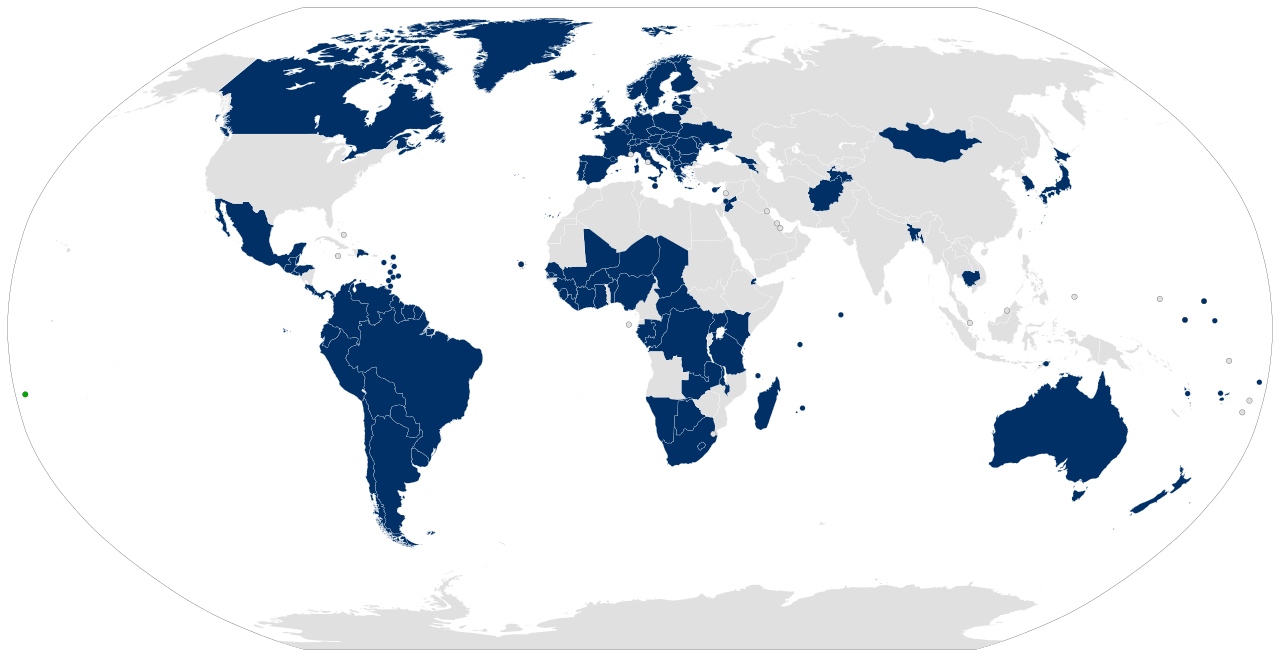
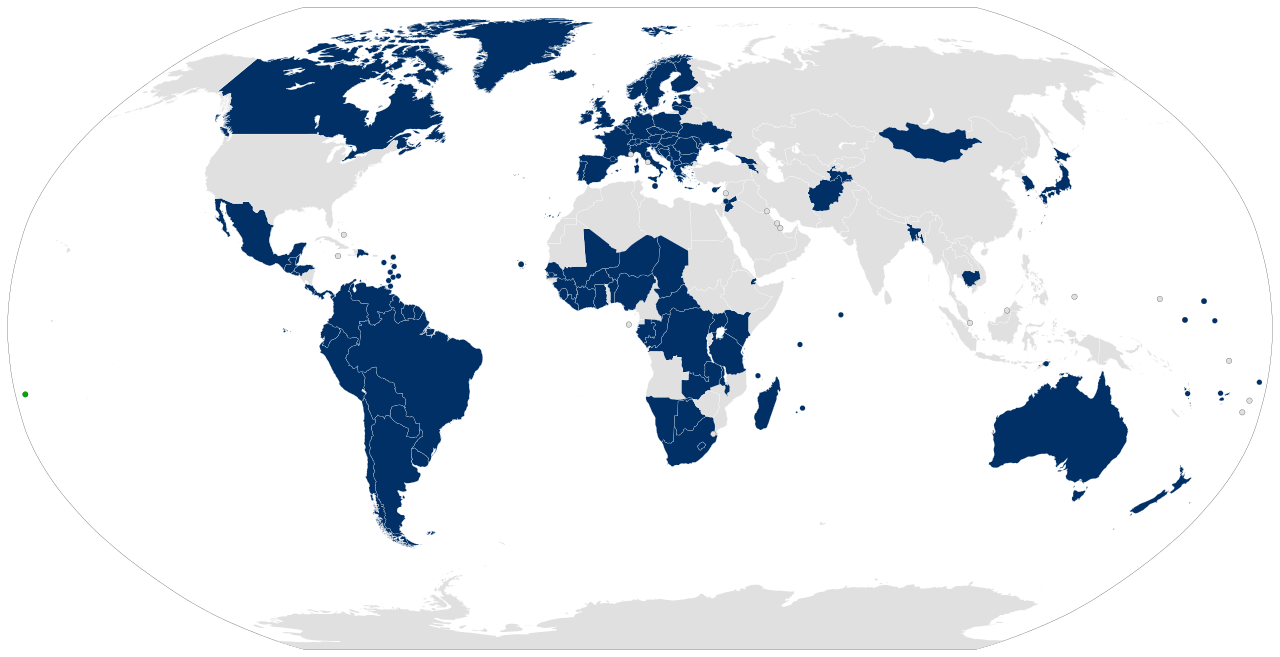
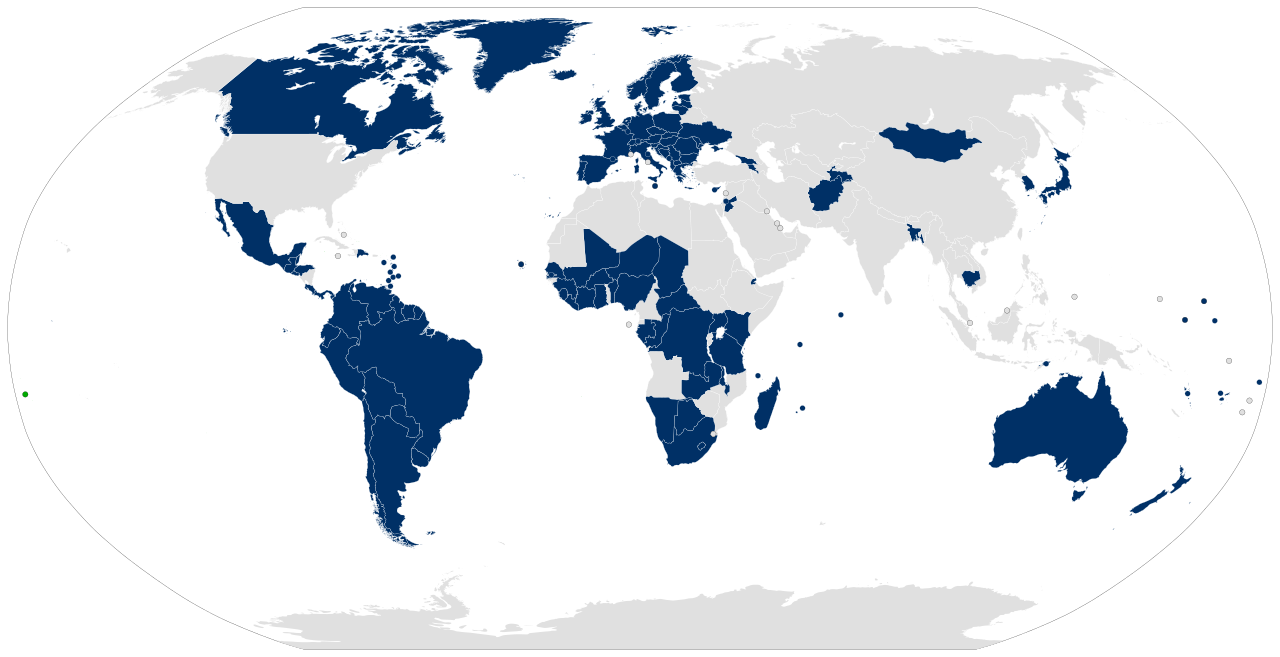
The ICC, established in 2002, is the world's first permanent international court to prosecute individuals for genocide, crimes against humanity, war crimes, and aggression. The US has never been a party to the Rome Statute, the court's founding treaty, but previously cooperated with the court on a case-by-case basis. The Trump administration's sanctions represent an unprecedented escalation in the US campaign against the ICC, which has also seen visa revocations for court staff and threats to cut aid to countries that support the court.
Guterres' condemnation comes amid growing international backlash. The European Union, which has traditionally been a strong supporter of the ICC, called the sanctions "unacceptable" and warned of countermeasures. Human rights organizations, including Amnesty International and Human Rights Watch, have denounced the US move as an attack on victims of atrocities seeking justice. Several countries, including close US allies, have expressed concerns that the sanctions could weaken the court's ability to investigate war crimes worldwide.
Global and Regional Implications
The US sanctions on the ICC have far-reaching implications for international justice and multilateralism. By targeting the court, the US is signaling that it will not tolerate any international accountability mechanism that could scrutinize its actions or those of its allies. This could embolden other states to ignore international law and undermine the ICC's authority in ongoing investigations, such as those in Sudan, Myanmar, and Ukraine.
Moreover, the sanctions have strained US relations with its European allies, who view the ICC as a cornerstone of the rules-based international order. The EU has already started discussions on how to protect the court from US sanctions, including the possibility of invoking the blocking statute to shield European companies and individuals from US measures. This transatlantic rift could have broader consequences for cooperation on issues like Iran, Russia, and trade.
The backlash also highlights the broader erosion of multilateral institutions under the Trump administration. The US has withdrawn from the UN Human Rights Council, the Paris climate agreement, and the Iran nuclear deal, and has repeatedly criticized the World Trade Organization and NATO. The ICC sanctions are the latest in a series of actions that have isolated the US on the world stage and raised questions about its commitment to international law.
In the Middle East, the ICC's investigation into Israeli actions in the Palestinian territories has been a particular point of contention. The Trump administration's sanctions are seen as a direct attempt to shield Israel from accountability. This could further inflame tensions in the region and complicate efforts to revive the Israeli-Palestinian peace process. Palestinian officials have welcomed the ICC's probe and condemned the US sanctions as a blow to justice for victims of Israeli violations.
Türkiye Açısından Değerlendirme
ABD'nin UCM'ye yönelik yaptırımları, Türkiye'nin de taraf olduğu Roma Statüsü ve uluslararası hukuk açısından endişe verici bir gelişmedir. Türkiye, UCM'nin Filistin soruşturmasını desteklemekte ve İsrail'in uluslararası hukuk ihlallerinin hesap verebilirliğini savunmaktadır. Yaptırımlar, Türkiye'nin ABD ile zaten gergin olan ilişkilerinde yeni bir gerilim unsuru olabilir. Ayrıca, Türkiye'nin uluslararası adalet mekanizmalarına verdiği destek, Batı ile yaşadığı sorunlarda bir denge unsuru olarak öne çıkmaktadır. Ancak ABD'nin bu adımı, Türkiye'nin Suriye ve Irak'taki operasyonlarına yönelik olası UCM soruşturmalarını da etkileyebilir. Türkiye, uluslararası hukuka bağlılığını vurgularken, çifte standartlara karşı çıkmakta ve UCM'nin bağımsızlığının korunması gerektiğini savunmaktadır.
Bu gelişme, Türkiye'nin çok taraflılık ve uluslararası hukukun üstünlüğü konusundaki tutumunu yeniden teyit etmesi için bir fırsat sunmaktadır. Türkiye, UCM'ye verdiği desteği sürdürerek, ABD'nin tek taraflı yaptırımlarına karşı uluslararası toplumla birlikte hareket edebilir. Ayrıca, Avrupa Birliği'nin yaptırımlara karşı geliştireceği tutum, Türkiye-AB ilişkilerinde yeni bir diyalog kanalı açabilir. Ancak Türkiye'nin kendi iç hukukunda UCM ile ilgili düzenlemeleri gözden geçirmesi ve Roma Statüsü'ne tam uyum sağlaması halen tartışma konusudur.
Sonuç olarak, ABD'nin UCM yaptırımları, uluslararası düzenin karşı karşıya olduğu meydan okumaları gözler önüne sermekte ve Türkiye gibi orta büyüklükteki güçlerin uluslararası hukuku savunma konusundaki rolünü artırmaktadır. Türkiye, bu süreçte hem bölgesel hem de küresel düzeyde adaletin tesisi için çaba göstermeye devam edecektir.